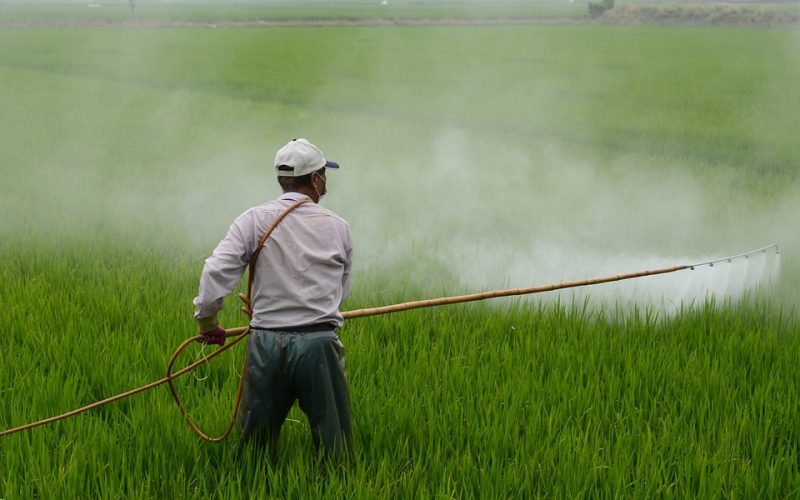
Pesticides are chemical or biological substances used to kill or control organisms considered harmful to crops, animals, or humans. The term covers a wide range of products, including insecticides (targeting insects), herbicides (targeting weeds), and fungicides (targeting fungi). Since their widespread adoption in the mid-20th century, pesticides have become a cornerstone of modern agriculture, helping farmers protect yields and meet the demands of a growing global population.
How pesticides work
Different pesticides work in different ways depending on their target. Insecticides, for example, may disrupt the nervous system of insects, while herbicides interfere with the photosynthesis process in plants. Some pesticides are contact-based, meaning they kill on direct exposure, while others are systemic — absorbed into the plant or organism and spread throughout its tissue. The method of action determines both the effectiveness of the pesticide and the potential risks associated with its use.
The benefits of pesticide use
The case for pesticides is largely economic and practical. Without them, crop losses due to pests and disease would be significantly higher, leading to reduced food supply and increased prices. The Food and Agriculture Organisation (FAO) estimates that pests destroy up to 40% of global food crops each year, a figure that would be considerably worse without pest control measures. Pesticides also play a role in public health, helping to control disease vectors such as mosquitoes, which spread malaria and dengue fever.
Environmental concerns
The widespread use of pesticides carries significant environmental risks. Runoff from treated fields can contaminate rivers, lakes, and groundwater, affecting aquatic life and disrupting ecosystems. Some pesticides persist in the environment long after application — DDT, for instance, was banned in many countries decades ago but is still detected in soil and wildlife today. There is also growing concern about the impact of pesticides on pollinators. Studies have linked neonicotinoid insecticides to declining bee populations, which poses a serious threat to global food production, given that bees are responsible for pollinating a large proportion of the world's crops.
Health implications for humans
Exposure to pesticides can pose health risks for farmworkers, rural communities, and consumers. High levels of exposure have been linked to a range of conditions, including respiratory problems, neurological disorders, and certain cancers. While regulatory bodies such as the European Food Safety Authority (EFSA) set maximum residue limits (MRLs) for pesticide levels in food, concerns remain about the long-term effects of low-level, chronic exposure — particularly in children, whose developing bodies are more vulnerable to chemical interference.
Regulation and safer alternatives
Governments and international organisations have introduced measures to regulate pesticide use and reduce harm. In the UK, pesticides must be approved by the Health and Safety Executive (HSE) before they can be sold or used. Integrated Pest Management (IPM) is an increasingly popular approach that combines biological controls, crop rotation, and targeted pesticide application to minimise chemical use. Organic farming takes this further by prohibiting synthetic pesticides altogether, relying instead on natural alternatives and preventive practices.
Striking the right balance
Pesticides are neither wholly good nor wholly bad — their role depends heavily on how, where, and in what quantities they are used. The challenge for scientists, policymakers, and farmers is to harness their benefits while minimising the damage they can cause. With advances in precision agriculture and biotechnology, there is reason for cautious optimism that future pest control strategies will be both effective and more sustainable. For now, informed regulation and continued research remain the most reliable tools for managing the trade-offs that pesticide use inevitably brings.