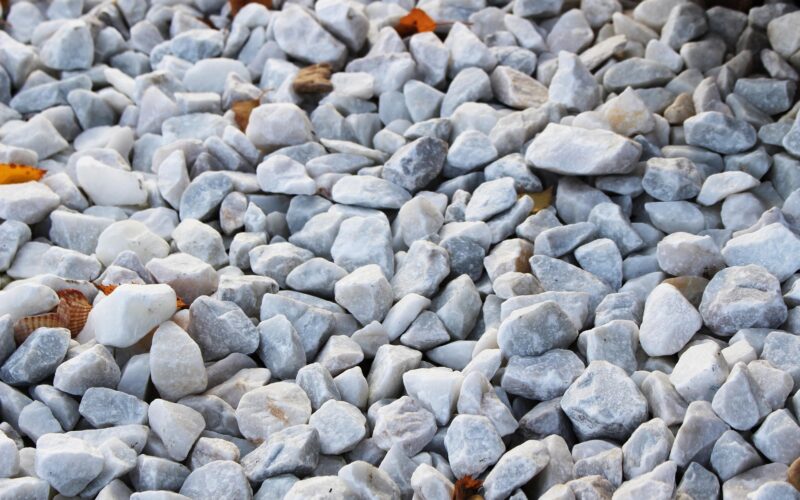
Industrial silica sand has quietly become one of the most valuable commodities in modern manufacturing and construction. Once overlooked as simple quartz particles, this versatile material now plays a critical role in industries ranging from glassmaking to hydraulic fracturing, making it an increasingly important economic asset worldwide.
What makes silica sand so valuable?
Silica sand consists primarily of silicon dioxide (SiO₂), typically in the form of quartz. Its chemical purity, grain size consistency, and physical properties make it indispensable across multiple sectors. Fine silica sand, in particular, is prized for applications requiring precise specifications, such as glass production, foundry work, and water filtration systems. The quality and grade of the sand directly influence its market value, with high-purity deposits commanding premium prices.
Key industries driving demand
The construction sector remains one of the largest consumers of industrial silica, using it in concrete, mortar, and various building materials. Glass manufacturing represents another major market, requiring extremely pure silica sand to produce everything from windows to smartphone screens. The oil and gas industry has also emerged as a significant buyer, utilising silica sand in hydraulic fracturing operations to extract petroleum and natural gas from underground formations.
Sports and leisure facilities have created niche markets as well. Equestrian silica sand, specifically graded for riding arenas and horse facilities, provides optimal drainage and cushioning properties that protect both horses and riders. This specialised application demonstrates how tailored products can command higher values in specific markets.
Supply chain considerations
Transportation costs significantly impact the economics of silica sand distribution. Because of its weight and bulk, sourcing locally often proves more cost-effective than shipping long distances. Many buyers now opt for silica sand bulk bags, which offer practical advantages in handling, storage, and inventory management. These large containers reduce packaging waste whilst maintaining product quality during transport and storage.
Market trends and future outlook
Global demand for industrial silica continues to grow, driven by urbanisation, infrastructure development, and technological advancement. Emerging markets in Asia and Africa are expanding their consumption as manufacturing capabilities increase. Environmental regulations are also reshaping the industry, with producers investing in cleaner extraction methods and dust control technologies to minimise ecological impact.
The rise of renewable energy technologies presents new opportunities as well. Solar panel production requires high-purity silica, and the push towards sustainable energy sources could further elevate demand. As industries evolve and new applications emerge, the economic significance of this humble mineral only continues to expand.
Understanding the value chain from extraction to end use reveals why industrial silica has transformed from a basic commodity into a strategic resource. Whether you're in construction, manufacturing, or specialised industries like equestrian facilities, recognising silica sand's economic importance can inform smarter procurement decisions and long-term planning strategies.